
There’s a certain pause when you pick up a skincare bottle made of glass in Xuzhou. It’s cool, perfectly weighted, and even the light catching its curves feels intentional.
There’s a certain pause when you pick up a skincare bottle made of glass in Xuzhou. It’s cool, perfectly weighted, and even the light catching its curves feels intentional. That pause is no accident—it’s where craftsmanship meets care.
In the next 5,500 words, let’s walk through the story of Xuzhou’s skincare glass bottle industry: its deep roots, rising pressures, and the way design, technology, and sustainability are shaping its future. I’ll write as someone who’s seen both the machinery hum and the finished product glow.
Xuzhou isn’t just a city—it’s where glass bottles grow up. Layers of supply chains, material access, and skilled people make everything—from melting furnaces to polishing stations—snap into place smoothly. This setup creates cost-efficiency, quality control, and design flexibility in one breath.
Because production here rides on scale, labor, and logistics efficiency, brands gain value without losing design flair. Think luxe bottles that don’t break budgets.
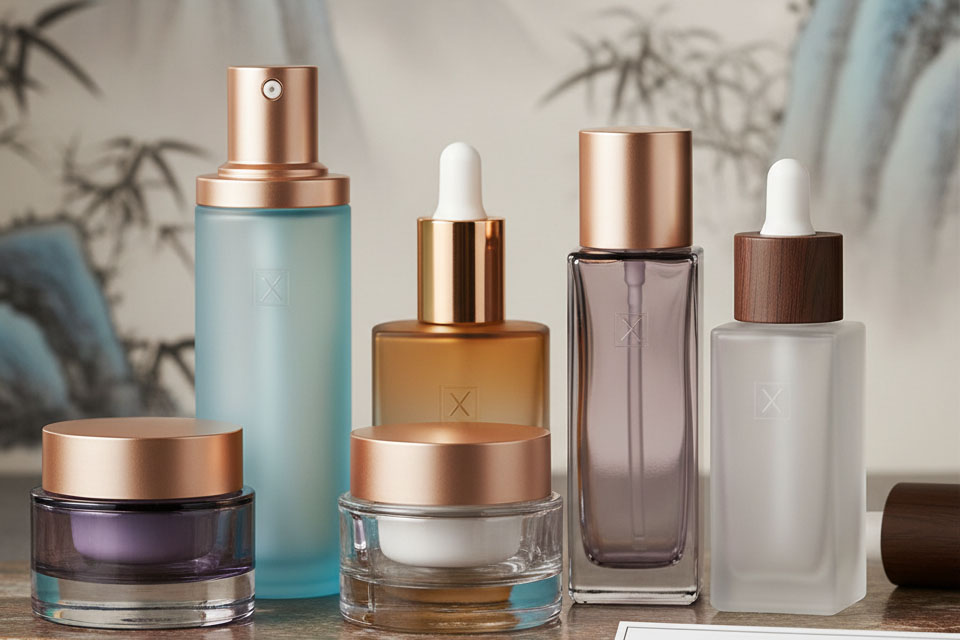
Need a curved skincare dropper bottle or an airless pump unit with panache? Local manufacturers can turn concepts into products fast—with personalized molds, finishes, and features that align with brand DNA.
Xuzhou doesn’t just make bottles for local shelves—it loops in international trade, matching global demand with local speed. It’s that blend of scale and adaptability that gives brands confidence.
Xuzhou’s cluster breeds competition—good, fierce competition. To stand out, makers must go beyond cost. They must bring creativity, maturation, and timely execution to the table.
When raw materials fluctuate and supply lines jitter, pricing wobbles with them. Producers must stay one step ahead—forecasting, planning, and sometimes innovating with alternative glass mixes.
Glass looks premium, but ships poorly. Breakage and damage aren’t just logistics issues—they’re heartbreak and cost. Packaging and handling systems have to be smart and sympathetic.
Glass is recyclable, yes—but brands and factories are pushing for more: cleaner production, lighter forms, and refillable models. Meeting modern consumer values means production must evolve, not coast.
Consumers now expect packaging to reflect values. From recycled glass to refill systems, sustainability is now baseline rather than bonus.
Skincare brands leaning luxury see glass as the easiest way to elevate feel and perception. Customized shapes, metallic accents, and tactile finishes are replacing plain plastic.
AI now forecasts demand, flags defects, and speeds design tweaks. It’s not sci-fi—it’s real, making production smarter and more predictable.
E-commerce thrives on unboxing wow. Glass must withstand shipping shocks and still capture beauty in a tiny thumbnail or half-second glimpse on a screen.
Borosilicate and other premium glasses are creeping into the skincare world—for temperature-sensitive formulas and premium blends, they’re worth the investment.
Refill culture isn’t fad—it’s here. Consumers appreciate packaging that stays stylish on their shelf long after it empties, or that simply holds a refill.
| Category | What It Covers |
|---|---|
| Strengths | Cluster economies, COGS efficiency, customization, exports |
| Challenges | Competition, supply volatility, fragility, green pressures |
| Trends | Sustainability, premium design, AI adoption, e-commerce, specialty glass, reuse culture |
Xuzhou’s skincare glass bottle world isn’t just bricks and furnaces. It’s about how a piece of glass becomes a brand whisper—cool-to-touch, thoughtful, memorable. The future for these bottles lies in balancing artistry with grit, ethics with elegance, speed with story. And Xuzhou? It’s setting the stage.
